 Skip-the-line available
 Best Time to Visit Dolmabahçe Palace
When to go to skip the longest queues and walk the state rooms in relative calm.
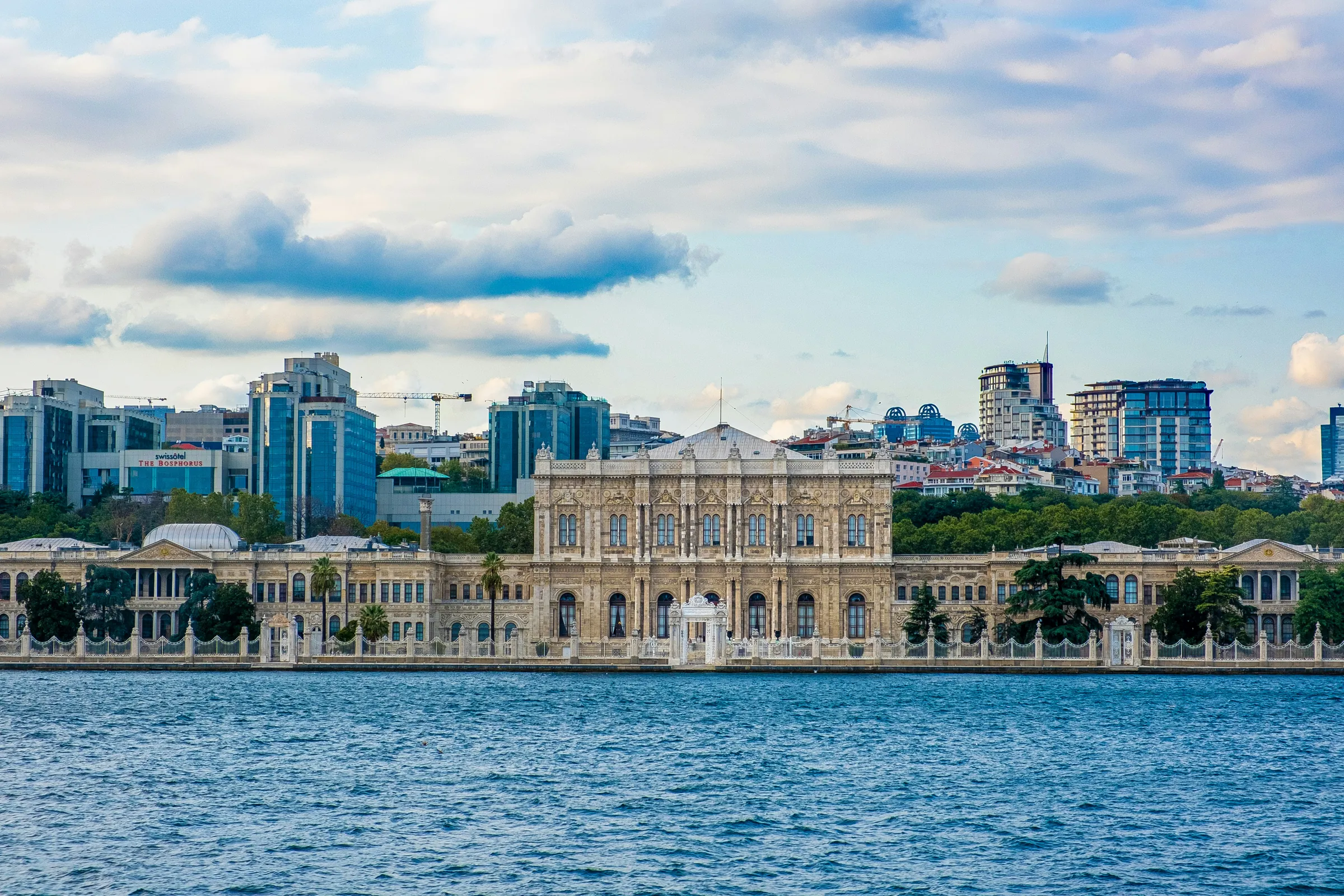
Dolmabahçe Palace opens in the morning and closes in the late afternoon, and it stays closed every Monday, so timing matters more here than at most Istanbul sights. The palace holds 285 rooms across two wings, the state Selamlık and the residential Harem, and visitors move through on set routes that bunch up when coach groups arrive mid-morning. The calmest moment is the first hour after opening; late morning to early afternoon in summer is the busiest and hottest stretch at the Beşiktaş waterfront gate. This guide covers the opening pattern and Monday closure, the best hour of the day, the quietest season, and how an open-date ticket lets you pick a gentle slot.
What are Dolmabahçe Palace's opening hours, and is it closed on Mondays?
Dolmabahçe Palace is closed every Monday and opens the other six days of the week, admitting visitors in the morning and closing in the late afternoon. The exact daily window shifts a little between the summer and winter seasons, so the safest habit is to confirm the day's hours on the official National Palaces site before you travel, and to arrive well before the last-admission cut-off rather than in the final hour. Because Monday is the fixed weekly closure, a Monday arrival is the single most common wasted trip to the Beşiktaş waterfront, and a public holiday can shift the schedule too. The palace sits on the European shore of the Bosphorus in Beşiktaş district, a short walk from the Kabataş transport hub, so it is easy to fold into a morning before the crowds build. Plan around the Monday closure first, then choose your hour.
Entry to Dolmabahçe Palace runs through guided routes rather than a free-wander layout, and the two wings, the state Selamlık and the residential Harem, are ticketed as distinct sections of the same building. That structure means the flow of visitors pulses: a group enters, moves through the reception rooms together, and the next cohort follows. When several coach tours converge in late morning, the wait at the entrance and the pace inside both slow noticeably. Arriving in the first hour after opening puts you ahead of that wave, with the state rooms quieter and the light on the 285-room complex at its softest. The palace occupies a 110,000-square-metre site bounded by the Bosphorus, so even on a busy day the gardens and quay give you room to breathe between sections. Come early, and the interior feels unhurried rather than crowded.
What is the best time of day to arrive?
The best time of day to visit Dolmabahçe Palace is the first hour after it opens in the morning, before the coach tours reach the Beşiktaş waterfront. In that early window the ticket queue at the gate has not yet built, the state rooms of the Selamlık are quiet, and the morning light on the sea-facing facade is at its softest. The late afternoon, in the last ninety minutes before closing, is the second-calmest window, as day-tour groups head back toward the city centre and Taksim. Late morning through early afternoon, roughly 11:00 to 14:00, is the busiest and, in summer, the hottest stretch at the gate. Because the palace admits visitors through guided routes, the interior never becomes a total crush, but the entrance line and the pace between rooms are markedly gentler early and late. For a calm visit, aim for opening.
If you can only come at midday, a few habits soften the crowds at Dolmabahçe Palace. Head straight for the state Selamlık first, since that wing draws the largest groups and clears more slowly than the residential Harem; doing the reverse lets the coach cohorts pass ahead of you. Keep your entry documents ready at the Beşiktaş gate so you are not sorting paperwork in the sun. Between the two ticketed wings, use the 110,000-square-metre garden and the Bosphorus quay as a cool pause rather than queueing indoors. Photography rules can change room to room, so watch the signs and keep moving through the busiest reception halls, saving lingering for the quieter side rooms. A midday visit is entirely workable; it simply rewards a little planning. The one truly fixed rule remains the Monday closure, when the palace admits no visitors at all.
Which season is quietest at Dolmabahçe Palace?
The quietest seasons at Dolmabahçe Palace are late autumn and winter, roughly November through March, when Istanbul's tourist volume drops and the Beşiktaş waterfront is at its calmest. Winter days are short and can be cold and damp beside the Bosphorus, but the trade-off is genuinely thinner crowds inside the 285-room palace and shorter waits at the gate. Spring, in April and May, brings mild weather and the imperial gardens in bloom, with crowds building but not yet at their peak. This shoulder season is our concierge recommendation for the best balance of comfortable weather and manageable numbers. The palace stands on the European shore in Beşiktaş, exposed to the water, so a windproof layer helps in the cooler months. Whichever season you choose, the fixed Monday closure still applies, so build your visit around any day but Monday.
Summer, from June through August, is the busiest and hottest season at Dolmabahçe Palace, when Istanbul's peak tourist flow meets long, warm days on the Bosphorus shore. Weekends and the middle of the day are the most crowded, and the sun on the open forecourt and quay can be tiring while you wait. If summer is your only option, the fix is simple: arrive in the first hour after opening, carry water, and use the shaded edges of the 110,000-square-metre garden between the two ticketed wings. National and religious holidays can also swell the crowds well beyond a normal day, so it is worth checking the calendar before you commit to a date. Autumn cools things down again from September, easing both heat and numbers. Across every season the constant is the same: the palace closes on Mondays, so plan for any other day of the week.
How does an open-date ticket help you dodge the crowds?
An open-date ticket helps at Dolmabahçe Palace because it lets you choose your arrival on the day, matching your visit to the actual weather and crowd conditions rather than a slot locked in weeks earlier. If you wake to a bright, cool morning, you head straight for the first hour after opening; if a coach convoy has just unloaded at the Beşiktaş gate, you can pivot to a nearby stop and return in the calmer late afternoon. That flexibility is worth a great deal at a palace where the crowd pulses with guided routes through the state Selamlık. Our concierge recommendation is to treat the open-date ticket as freedom to read the day: check the queue, glance at the Bosphorus weather, and time your entry accordingly. The one thing flexibility cannot override is the Monday closure, so keep any day but Monday in mind.
Using an open-date ticket well at Dolmabahçe Palace comes down to a short morning routine. First, confirm the day is not a Monday and not a public holiday that shifts the schedule. Second, aim to reach the Beşiktaş waterfront within the first hour of opening, arriving via the T1 tram to Kabataş and the short walk along the shore. Third, if the entrance line looks long, spend twenty minutes at the adjacent gardens, the Bosphorus quay, or the nearby Clock Tower square, then return once the first wave has moved inside. Because the palace splits into two separately ticketed wings, plan to do the busier state Selamlık first and the residential Harem second. Keep your documents ready and your day loose. The palace sits beside water on a 110,000-square-metre site, so there is always somewhere pleasant to wait out a queue.
Which days of the week are quietest?
The quietest days at Dolmabahçe Palace are weekdays, particularly Tuesday through Thursday, once you set aside the fixed Monday closure. Weekends draw both international visitors and local families, so Saturday and Sunday are the busiest, with the longest entrance lines at the Beşiktaş gate in late morning. Because the palace is closed every Monday, Tuesday can carry a small rebound of visitors who were turned away the day before, making midweek days such as Wednesday and Thursday the smoothest choice overall. National and religious holidays override this pattern entirely and can pack the palace regardless of the weekday, so check the Turkish public-holiday calendar before fixing your date. Our concierge recommendation is a midweek morning arrival for the calmest experience across all 285 rooms. Pair a Tuesday-to-Thursday visit with the first opening hour and you avoid both the weekly closure and the weekend crush.
Building a visit to Dolmabahçe Palace around the calendar is straightforward once you hold two rules in mind: the palace closes every Monday, and weekends are the busiest days. If your Istanbul itinerary is flexible, slot the palace into a weekday and keep Monday for indoor sights that stay open, such as covered markets or other museums. During Ramadan and around the two religious holidays of Eid, visitor patterns shift and some days grow far busier than usual, so treat holiday periods as exceptions to the normal weekday calm. School holidays in summer also add local family crowds. Our concierge tip is to combine a midweek date with an early arrival and, ideally, an open-date ticket so you can react to conditions on the day. The palace sits on the European shore in Beşiktaş, easy to reach by tram, so a midweek morning slot is rarely hard to build into a trip.
Frequently asked
Is Dolmabahçe Palace open on Mondays?
No. Dolmabahçe Palace is closed every Monday, its fixed weekly closure. It admits visitors the other six days, opening in the morning and closing in the late afternoon, with the exact window varying a little by season.
What is the best time of day to visit Dolmabahçe Palace?
The first hour after opening is best, before coach tours reach the Beşiktaş waterfront. The late afternoon, in the final ninety minutes before closing, is the next quietest window as day-tour groups leave for the city centre.
What is the least busy season to visit?
Late autumn and winter, roughly November to March, are quietest as Istanbul's tourist volume drops. Spring offers the best balance of mild weather and manageable crowds; summer is the busiest and hottest season on the Bosphorus shore.
How long does a visit to Dolmabahçe Palace take?
Most visitors spend around two to three hours, covering both ticketed wings, the state Selamlık and the residential Harem, plus the gardens. The palace has 285 rooms and 46 halls across a 45,000-square-metre building, so allow unhurried time.
Are the state rooms and the Harem separate tickets?
Yes. The palace is structurally split into the southern Selamlık, its public state quarters, and the northern Harem, the private residential wing, and they are ticketed as distinct sections of the same building.
Can I wander freely or is it a guided route?
Visitors move through Dolmabahçe Palace on set guided routes rather than wandering at will, which is why crowds pulse through the reception rooms in groups. Arriving early keeps you ahead of the mid-morning coach waves.
Does the palace get crowded on weekends?
Yes. Weekends and the middle of the day are the busiest, especially in summer. National and religious holidays can swell numbers further, so check the calendar and favour a weekday morning for a calmer visit.
How far ahead should I plan my visit?
Plan your date around the Monday closure first, then aim for a morning arrival. In peak summer the entrance line can be long, so an open-date ticket that lets you pick a calm hour on the day is a real advantage.
Where exactly is Dolmabahçe Palace?
It sits on the European shore of the Bosphorus in the Beşiktaş district of Istanbul, a short walk from the Kabataş transport hub on a 110,000-square-metre waterfront site.